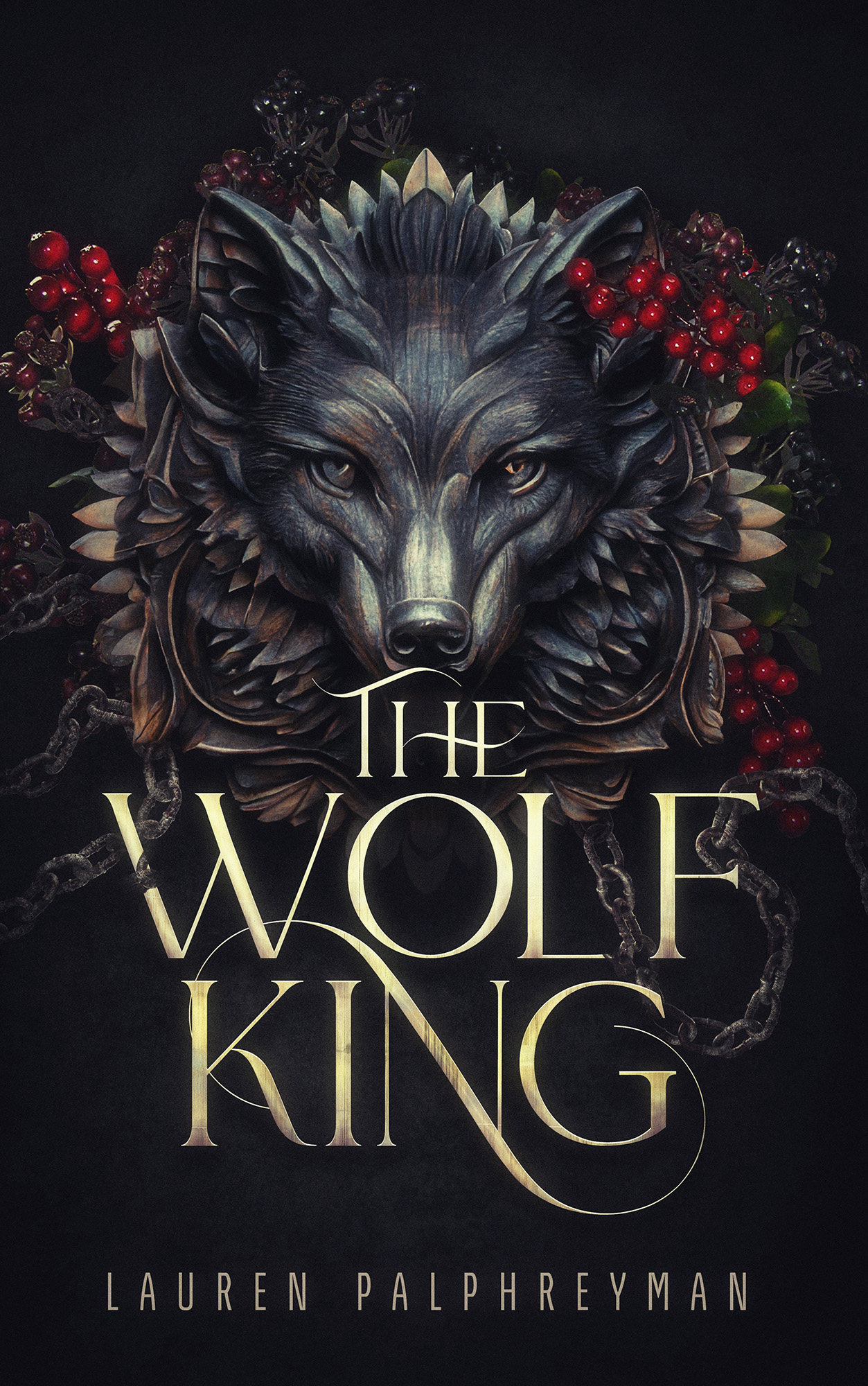
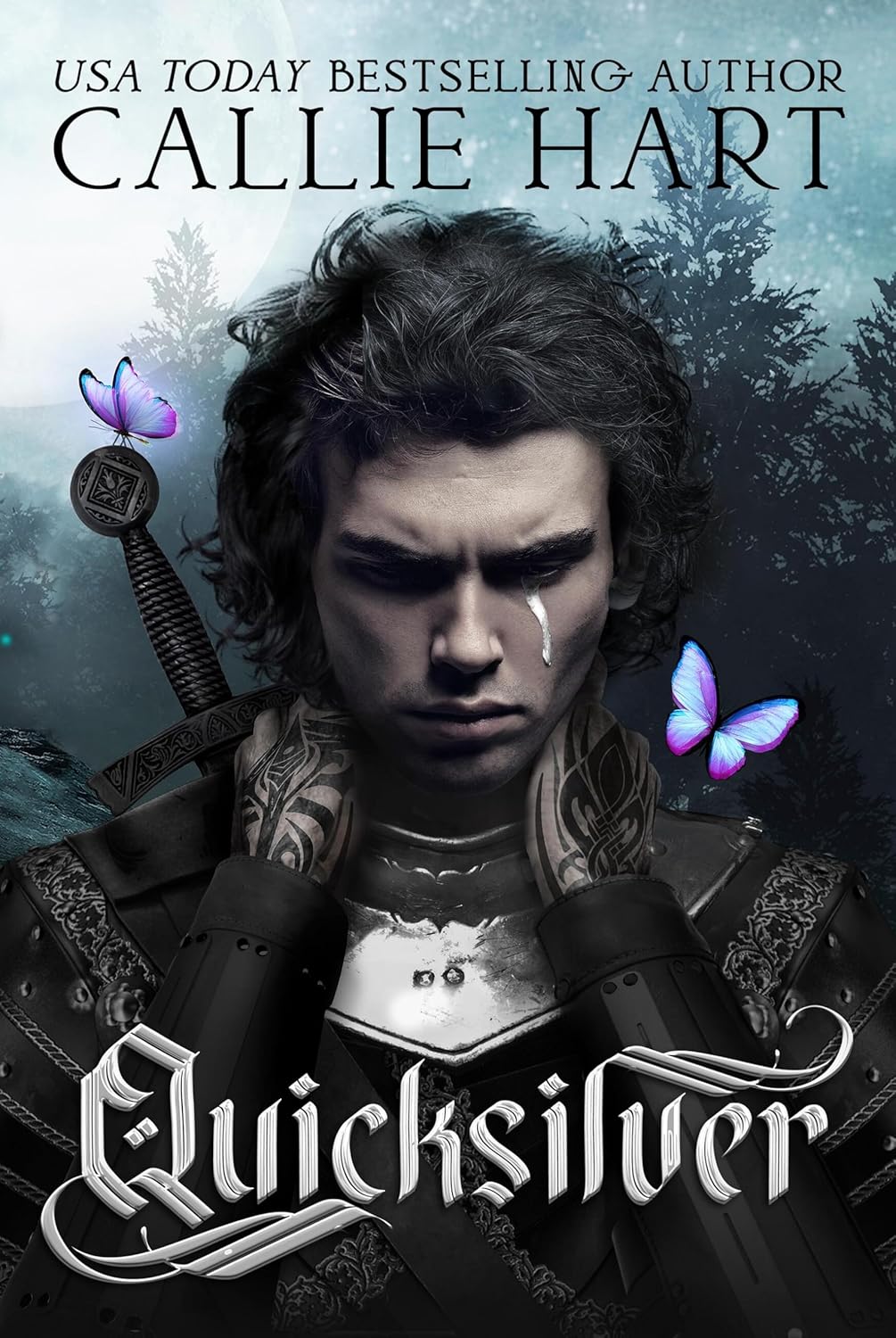
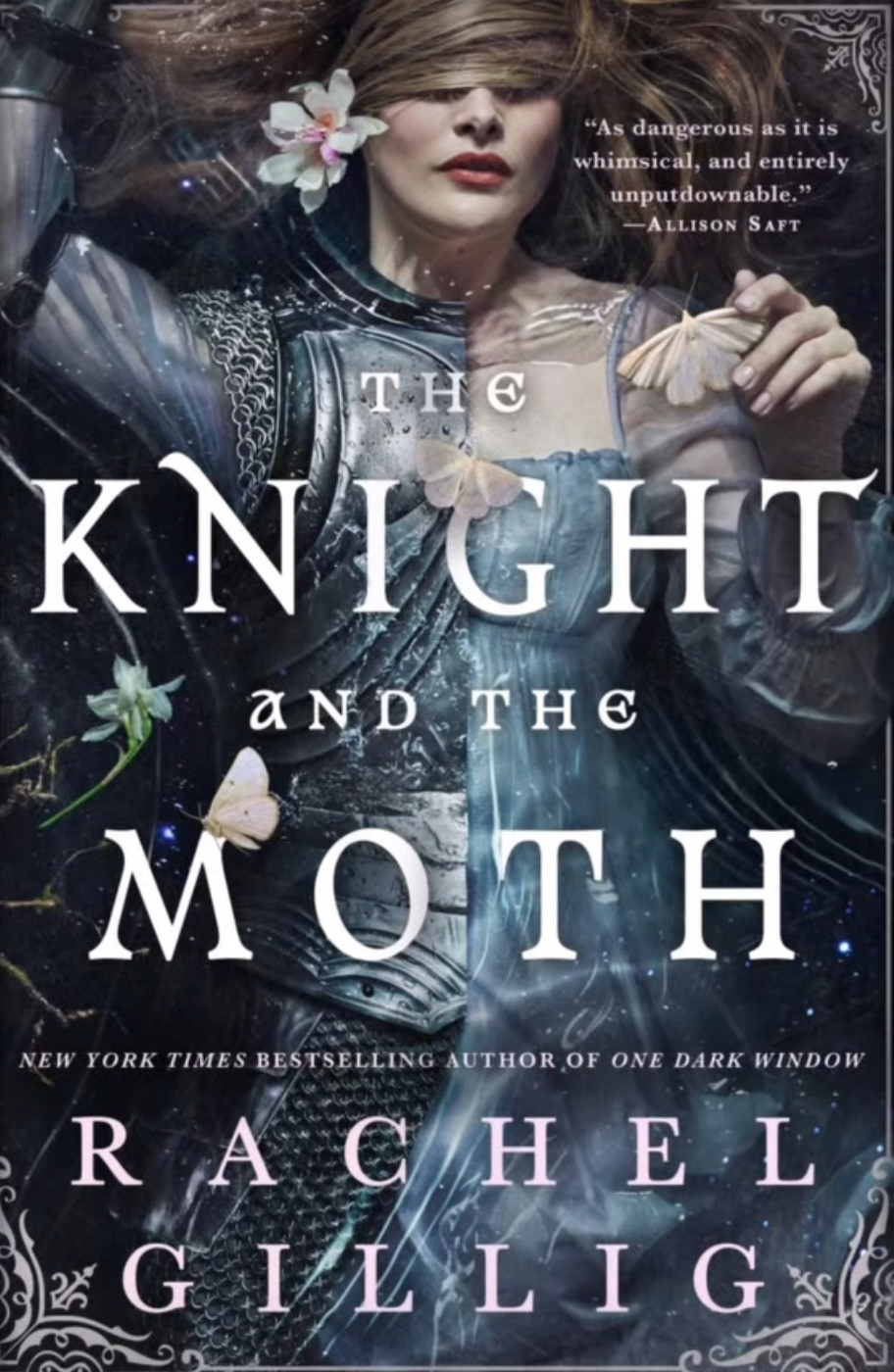
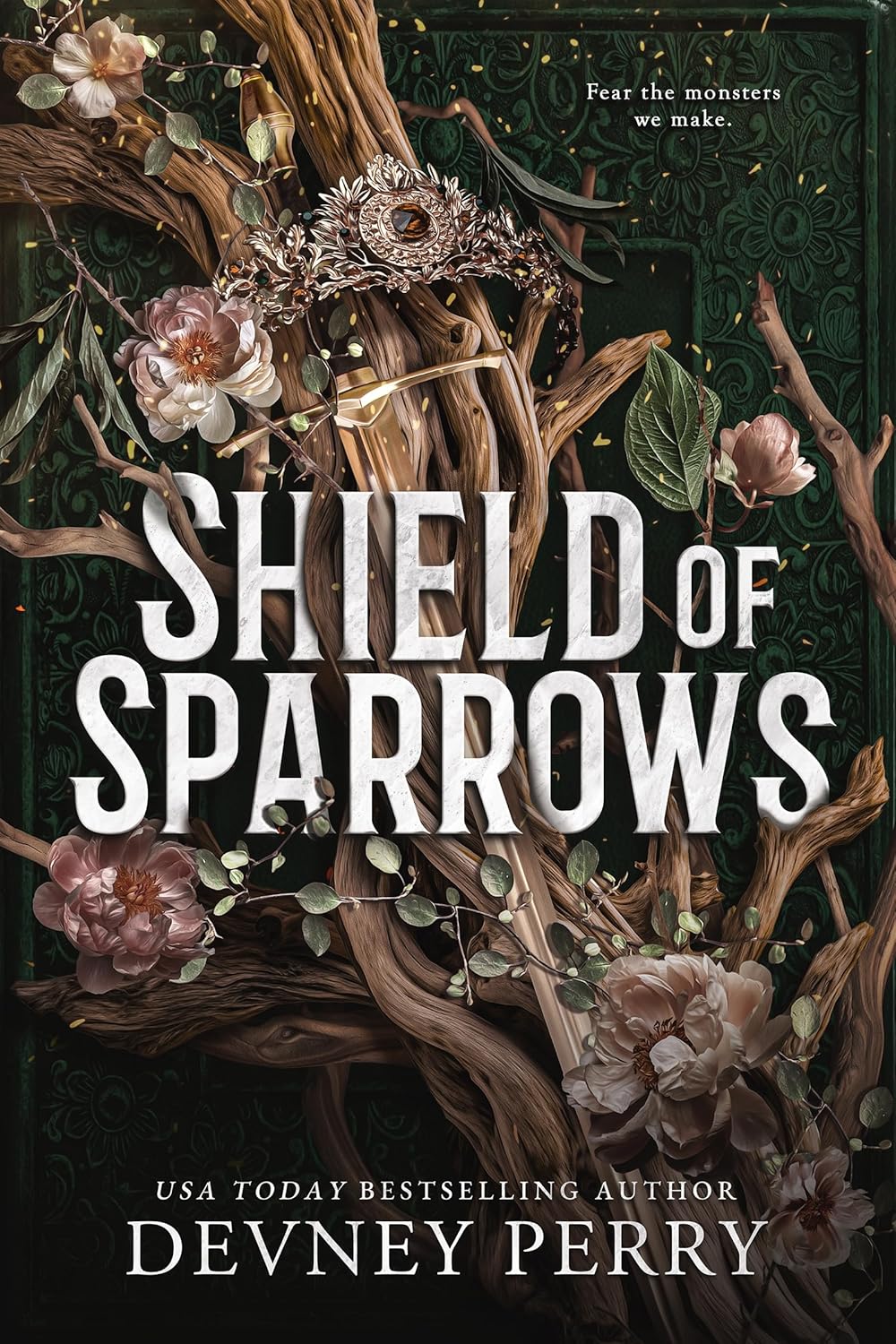
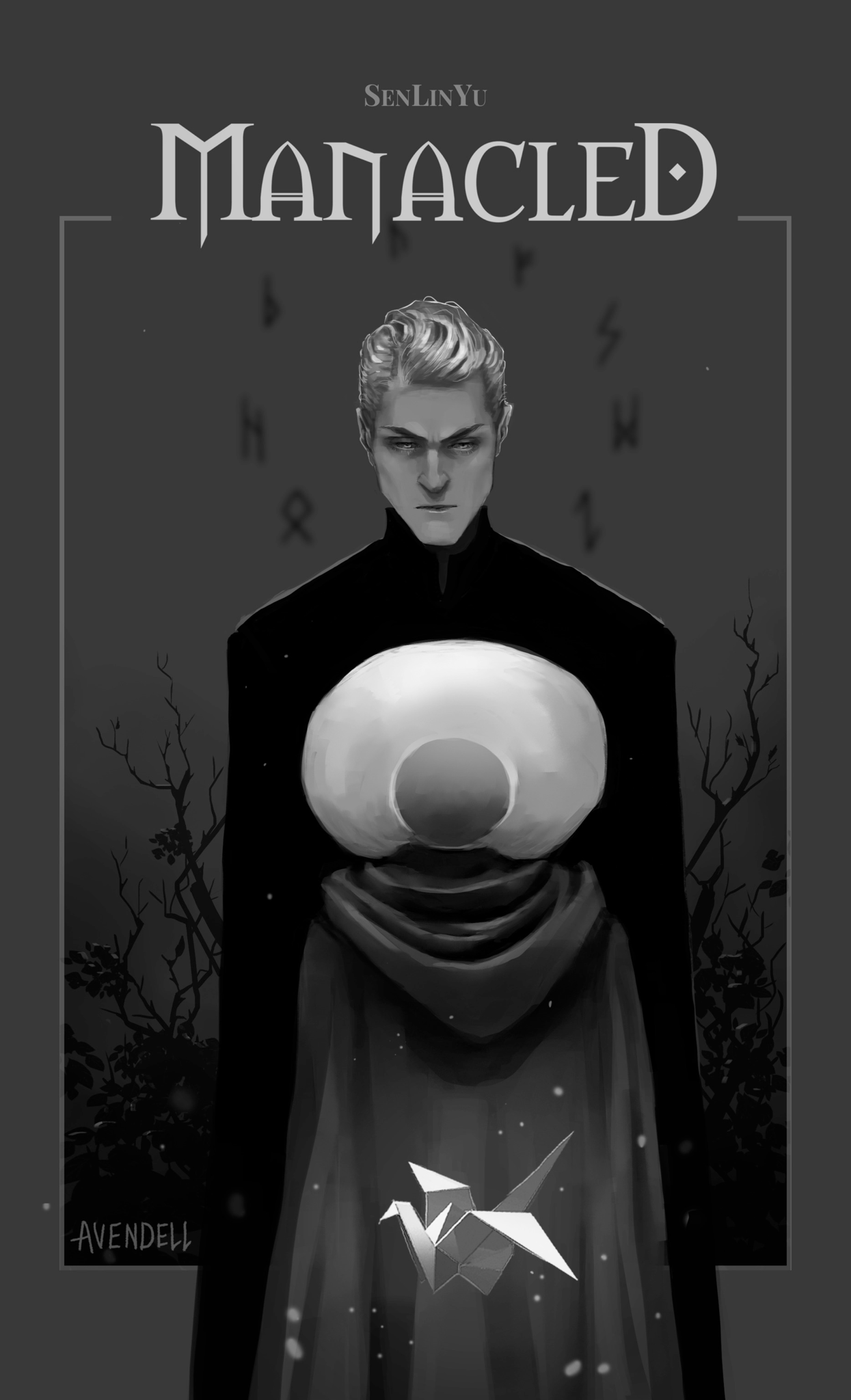
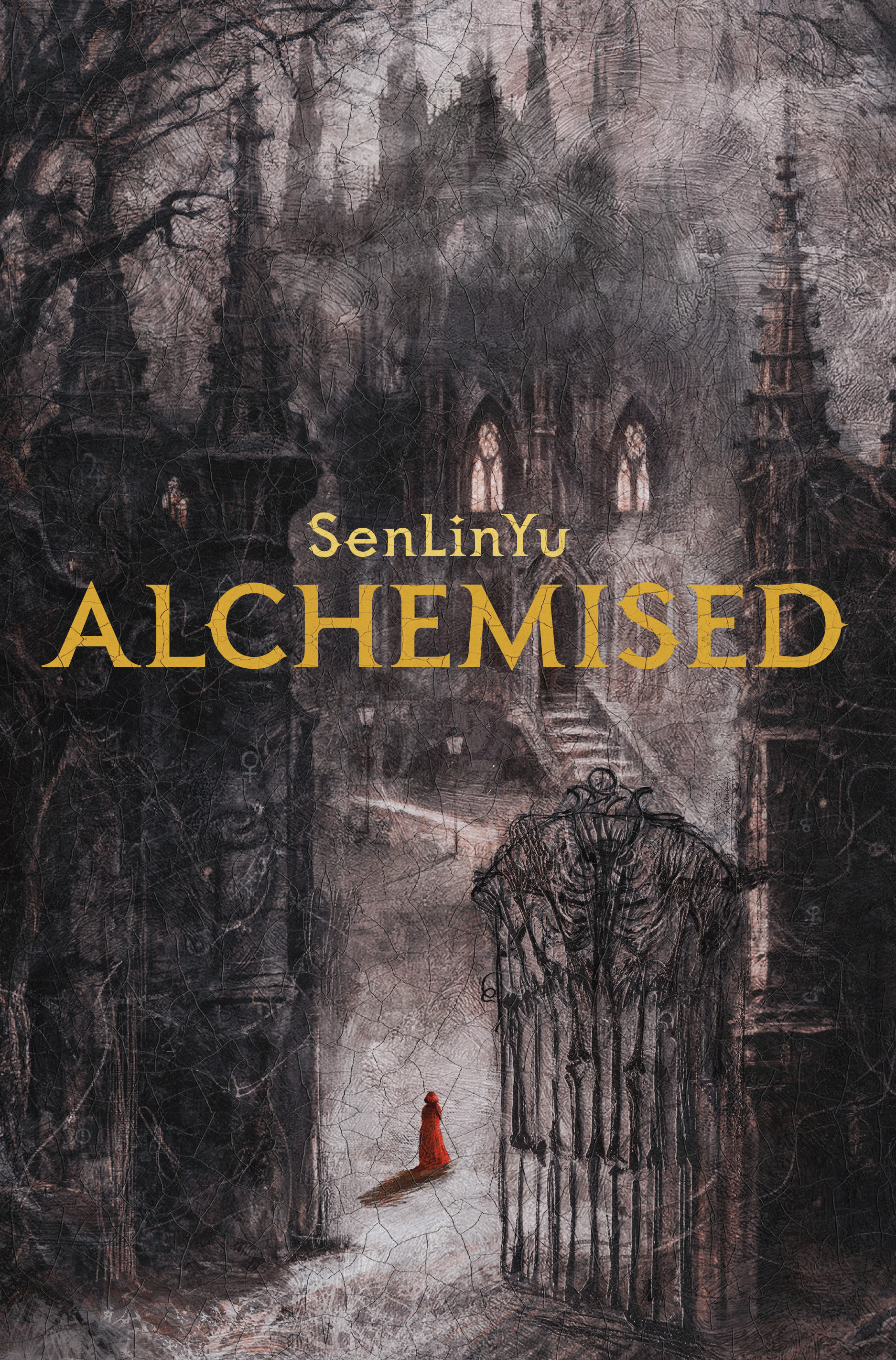
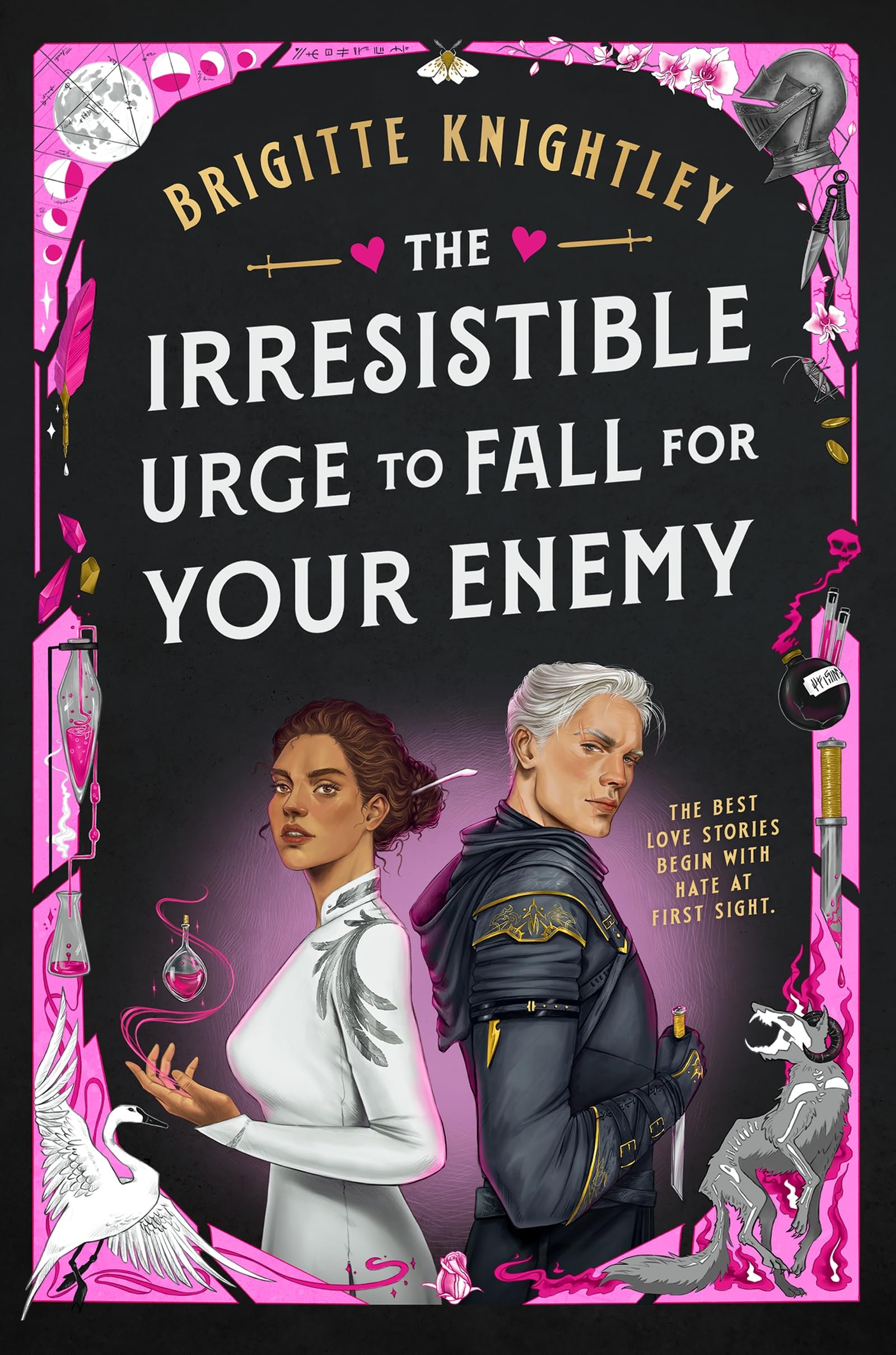
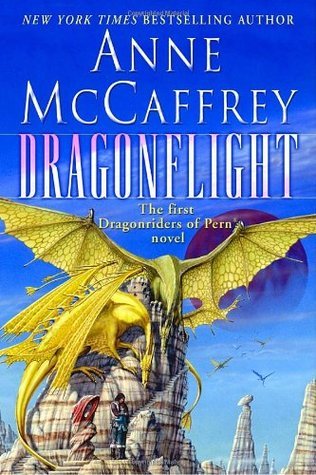
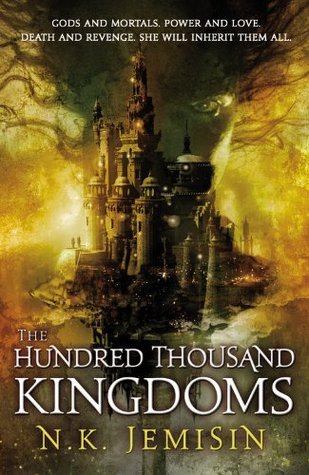
I wanted to take a moment in this deep freeze of January to sing the praises of a fantasy/mystery series that I found late last year. I have been reading my way through them – fast at first, and then (when I realized I would catch up with the author’s output) slower. I use them as a palate cleanser in my reading diet, and a comforting go-to when I need something reliably entertaining. And while I see they have a decent number of rating on Amazon, I never hear anyone talking about these books. Maybe because they are self-published and in Kindle Unlimited. But if you are looking for a long series (11 books and counting!) to sink into on these long winter nights, you should give this series a try.
As a lover of genre blends, I’m always looking for a new take on an old combination. And with the Case Files I found a new twist on the Mystery/Fantasy blend. When it comes to genre blending, there is always the danger that by adding one genre to another you will create a book that appeals to readers of neither. But for my money, these books are catnip for anyone who loves classic urban fantasy books with interesting worldbuilding, plenty of action, and a kick-ass female detective. I’d also suggest them if you like portal fantasies where a character from our world is dropped into a fantasy landscape and has to adapt and find their way around. BUT, they are also something I might hand to someone looking for a clever historical mystery series with strong Sherlock Holmes vibes. Weird combo? Hell yeah! But I swear, it works!
The series starts with Magic and the Shinigami Detective. As I said, these books are portal fantasies, and in book one’s prologue we are cleverly dropped into the point of view of Jamie Edwards, a captive of a magic-wielding madwoman who has kidnapped and experimented upon people from various worlds, of whom Jamie is the sole surviving victim. But the witch, Belladonna, has miscalculated with Jamie. As she is a federal agent with her own skills and abilities and Belladonna’s experiments have enhanced her physically, Jamie is able to overpower Belladonna and kill her. She escapes the witch’s hidden lair, finds civilization, and gets the full realization that she is in an entirely different world – in some ways like our own, but at a Victorian level of technology. And with MAGIC.
The case files then start with a time jump and a point of view shift to Henri Davenforth, a magical inspector with the Kingston police force. He is called out on a case, meets Jamie, and the two are partnered up to solve their first case together. It’s a good one, involving a theft of a powerful artifact from the police evidence locker. I won’t go into detail on the case, but the two complement each other well. Each chapter is written as if it is a case file written (in the beginning) by Henri, detailing the case. It’s a very Dr. Watson thing to do, and when Jamie finds the casebooks, she begins adding her own handwritten commentary. The two build a strong friendship, and the dialogue and banter between them is top notch. I keep coming back to the series not only because Raconteur constructs her mysteries well, but to revisit Jamie and Henri.
The fun of the series for urban fantasy fans is that you do have some great magical world-building. The author does a terrific job of evoking a city that is reminiscent of London, but has plenty of character of its own. The magic systems are not revolutionary, but they are well explained and shown through both the action and some light explication as Jamie is still relatively new to this world and doesn’t have any magic herself. Jamie has some of the expected characteristics of an urban fantasy heroine – she’s strong, resourceful, observant, and sarcastic as hell. She might even be considered overpowered, as she is strong and faster than most due to Belladonna’s tampering, and has an immunity to most offensive magic. Her vulnerabilities are the fact that she cannot ever go home and is always learning new things about her adopted world. Henri is much more unexpected. He’s equally witty and sarcastic, but he’s also not typical fantasy hero material. His magic isn’t the strongest – he’s just very talented at using what he has to the best of his abilities. He’s also a little indolent, expending physical effort only when necessary and very, very fond of his creature comforts. I love him to bits.
For the historical mystery/Sherlock Holmes fans, the setting is wonderful. The Victorian-esque setting is really late-Victorian/Edwardian, as are Doyle’s stories. There are lots of carriages but the automobile is starting to become more common. The other levels of technology are interestingly muddled, as some things that would be done by technological invention are accomplished by magic instead, giving the series a fun steampunk vibe at times. There are plenty of things that Jamie misses from her world, and she finds ways to introduce some of them to her new world, albeit often with a magical assist. Part of the fun of the series are her efforts to replicate things like cell phones. The author is clearly knowledgeable about the mystery genre, and in every outing seems to enjoy playing with some of the classic mystery tropes, including clever heists, baffling burglaries, city-wide crime sprees, and locked room murders. The mysteries tend to be on the cozy-side of things, but are never, ever boring.
Finally, for the cat-lovers in the audience, there are some seriously cute magical felines. Yes, they talk. No it is not too twee.
So if you like urban fantasies but would like a unique historical take, I highly recommend the series. There are 11 books and counting:
In this holiday season, I would like to celebrate one of my favorite tropes: found family.
It seems like this is the time of year we are bombarded with pictures of happy family gatherings, from advertisements to the cozy end of every Hallmark movie. Family bonds and family conflict are also at the heart of so many novels. I even recently did a post on romance books featuring siblings. But for many, the family you are born into doesn’t always lend itself to cozy scenes. Luckily, there are plenty of example of stories where unrelated characters bond together to create their own family of choice. I love these found families, filled with people that let you be yourself. I love that they know you and love you even when you don’t get along. This kind of acceptance is super appealing, as is the fact that you choose these people to be in your life, rather than the accident of sharing DNA. Maybe they are the people who understand what you’re going through due to shared experience. Maybe they just happen to enter your life at the right time. Found families is a theme which can be found in every genre.
During World War II, Juliet Ashton is a writer looking for a subject for her next book when she gets a letter from a man on the small channel island of Guernsey. They begin a heart-warming correspondence where Juliet learns about the lives of those in a small book group on the island and how the war has impacted them. Eventually, she decides she must visit Guernsey in person and finally meet all the people she has come to care for through letters. The community bonds in Guernsey really are as strong or stronger than family. While their literary society may have originally come about as an alibi to the occupying Germans who caught them breaking curfew, it became a lifeline to get them through the war. While I loved the slow-burn romantic storyline, I really fell for the whole group of eccentric characters in the society. This is the kind of book that celebrates the joys of reading, and how reading – such a traditionally solitary endeavor!– can create deep bonds between people. Read-alikes: For those who love stories of bonding over books try The Air Raid Book Club by Annie Lyons or The Lonely Hearts Books Club by Lucy Gilmore. Epistolary fans should try 84 Charing Cross Road by Helene Hanff or The Correspondent by Virginia Evans.
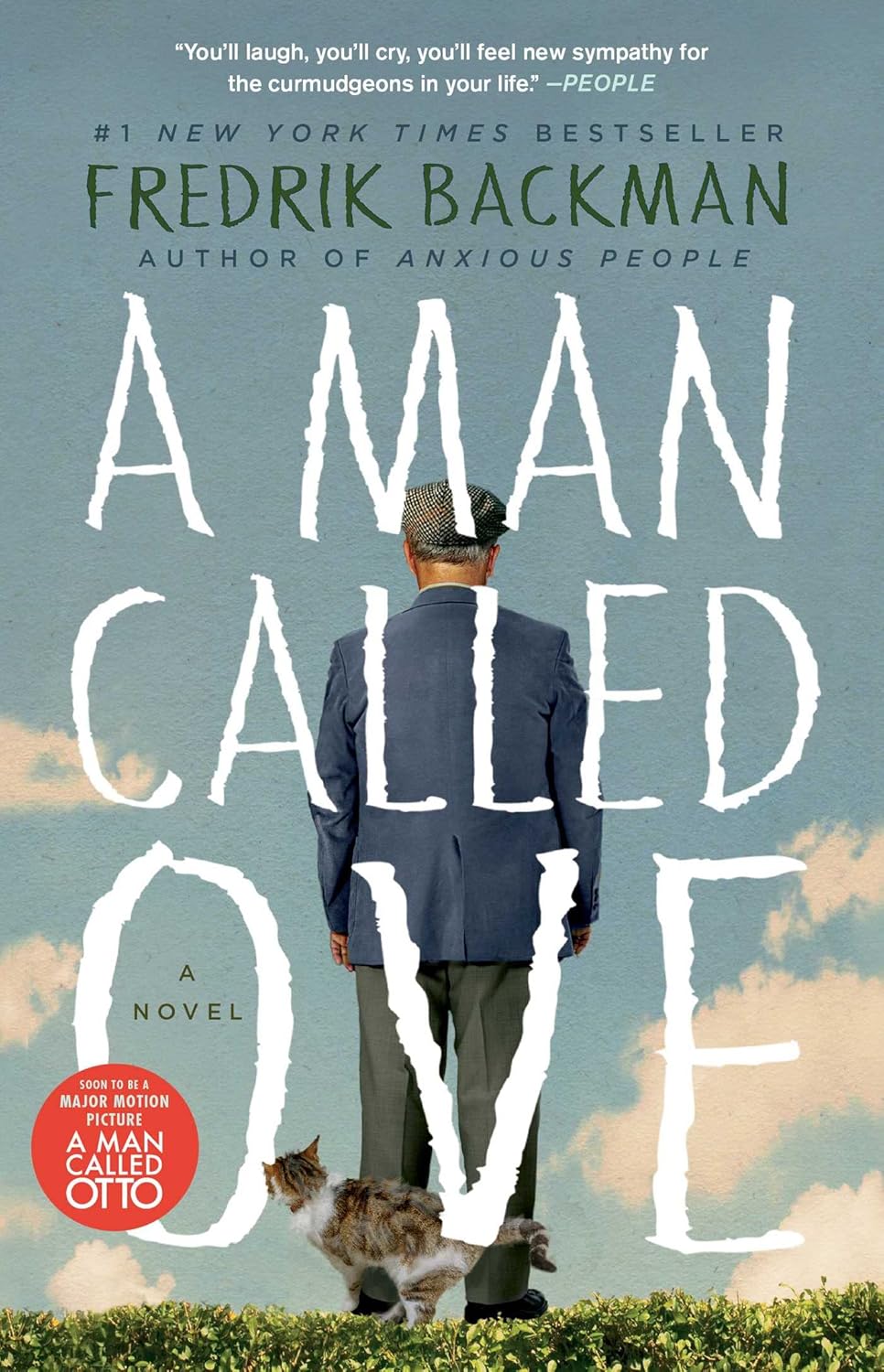
Swedish author Backman is kind of a specialist in heartwarming stories where characters build families of choice and this is probably his most famous. It focuses on Ove, a genuine curmudgeon. He’s an older man, very grumpy and stern, and inflexibly fond of routine. And he’s also deeply grieving. So for those who have only seen the movie poster and this think this is purely light-hearted I have to warn you that you learn right off that Ove is looking to commit suicide. But here’s the thing: every time he gets close to doing it, he gets interrupted. And each interruption, beginning with his annoying new neighbors, reminds him that he is not as isolated as he thinks, and that near-strangers can become not just friends but family. I think Backman’s talent of making you laugh while still serving up heavy stuff is pretty unique. Read-alikes: If you want more prickly people and found family try Eleanor Oliphant is Completely Fine or the grieving hero in The Storied Life of A.J. Fikry by Gabrielle Zevin. If you’d like more of Backman’s mix of humor and pathos, Anxious People is a hoot.
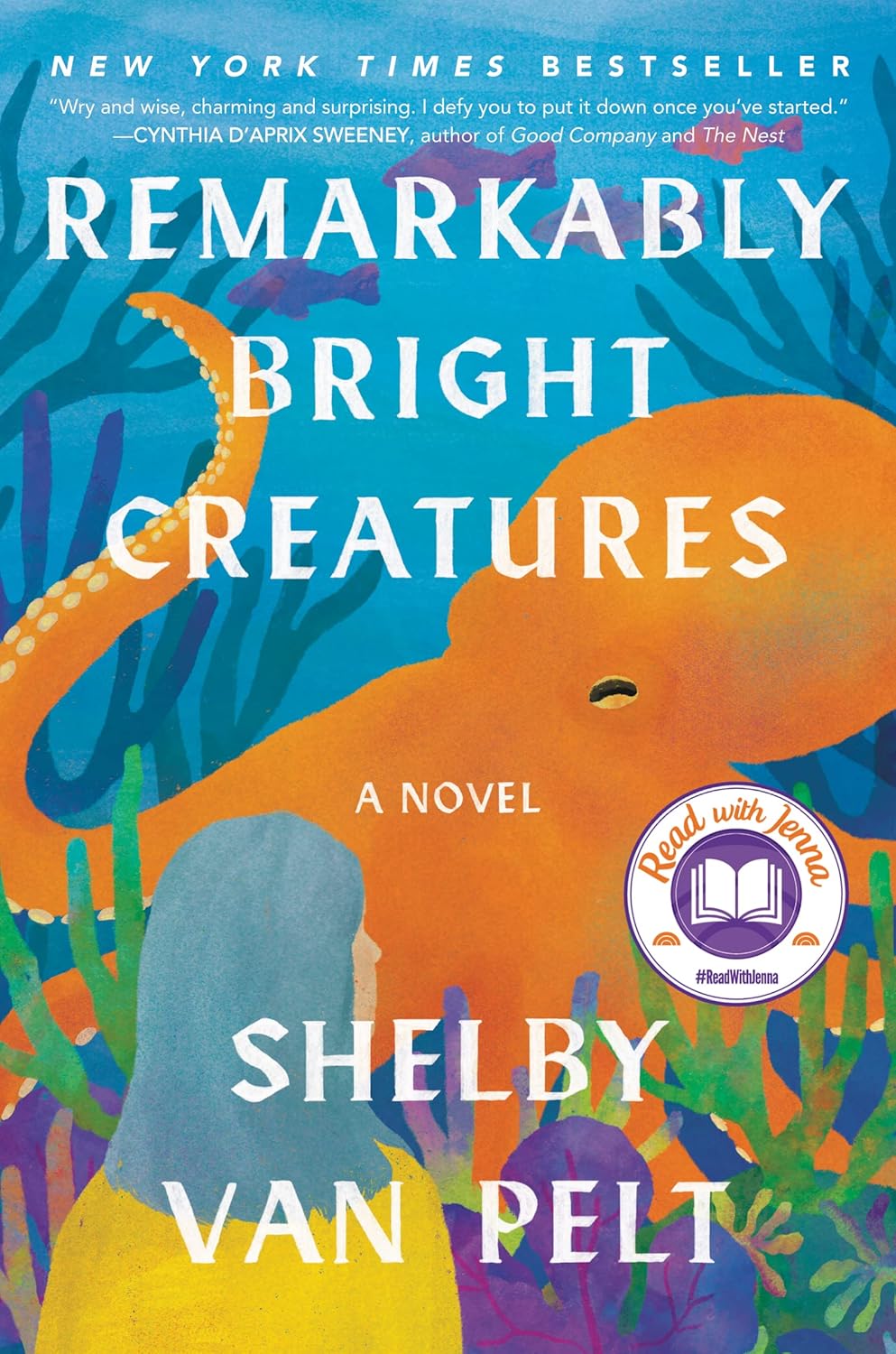
One of my favorite novels of recent years has biological family and found family pushing and pulling thoroughly the book. Because let’s face it – the reason many go looking to create their own chosen family is the loss or disruption of family bonds. In this novel Tova is a woman whose life is defined by the loss of her son. She has routines she follows to keep herself moving, but can never really move forward. One of those routines is her job cleaning up at the local aquarium. This is where she comes in contact with my favorite character: Marcellus the giant Pacific octopus. An unlikely… friendship? Well, friendship of sorts forms between Tova and escape-artist Marcellus. But really, Marcellus opens Tova up to the possibility of life beyond her grief. And then there’s Cameron, a young man whose biological family failed him profoundly. He thinks that the hunt for the father he never knew will fix everything, not realizing that it’s the connections with locals like Ethan, the Scots grocer who gives him a job and a place to live, that ground him for the first time. For a special treat, try this one in audio. Read-alikes: Complicated relationships, both familial and community are also found in Unlikely Animals by Annie Hartnett. How animals can bring disparate people together can be found in How the Penguins Saved Veronica by Hazel Prior.
The titular club is a group of four residents in a British retirement village. They get together each week to investigate – as a hobby, only! – various unsolved murders. Like one does, just to keep intellects sharp, I guess? It’s a bit macabre. But it’s also good practice when a murder happens in their own community. The murder investigation is a bit shaggy and less interesting than the characters, which is readers keep coming back to spend time with them. The four residents – Elizabeth, Joyce, Ibrahim and Ron – all have their own distinct voices. Their placement in the village means they are more or less isolated from their own families (if they have them), so the relationships they form as a club fills that void. They don’t always get along or see eye-to-eye, which honestly just makes them more like family. Read-alikes: For more of the same humor mixed with mystery plus an elderly protagonist to cheer on, try Vera Wong’s Unsolicited Advice for Murderers by Jesse Q. Sutano.
This future-set mystery series centers on Eve Dallas. She is the heart and soul of the book and when we meet her in book 1, Naked in Death, she is achingly alone. Fantastic at her job as a police lieutenant in New York City, Eve nevertheless has managed to keep the bare minimum of human connections. The reason why I include these books on a list of found family is that this changes in the most wonderfully satisfying way as the series goes on. The most obvious connection she makes is with the delicious man who she meets on a brutal murder case. Roark goes from suspect to lover to the person who is a catalyst for her coming out of her self-imposed isolation. Not that she comes willingly! But each connection she makes help Eve heal from the terrible abuse she suffered as a child. The mysteries in the series are very well-plotted, but for me the reason to keep visiting a series that is over 60 books long is to spend time with this Eve’s family of choice. Read-alikes: Another strong female cop who meets her better half as a murder suspect is Sam Holland from Marie Force’s Fatal series, beginning with Fatal Affair. Carol O’Connell’s Mallory is a darker version of Eve. Also a brilliant cop, she does have a found family that try and keep her sociopathic tendencies at bay, but whoa is she damaged. Start with Mallory’s Oracle.
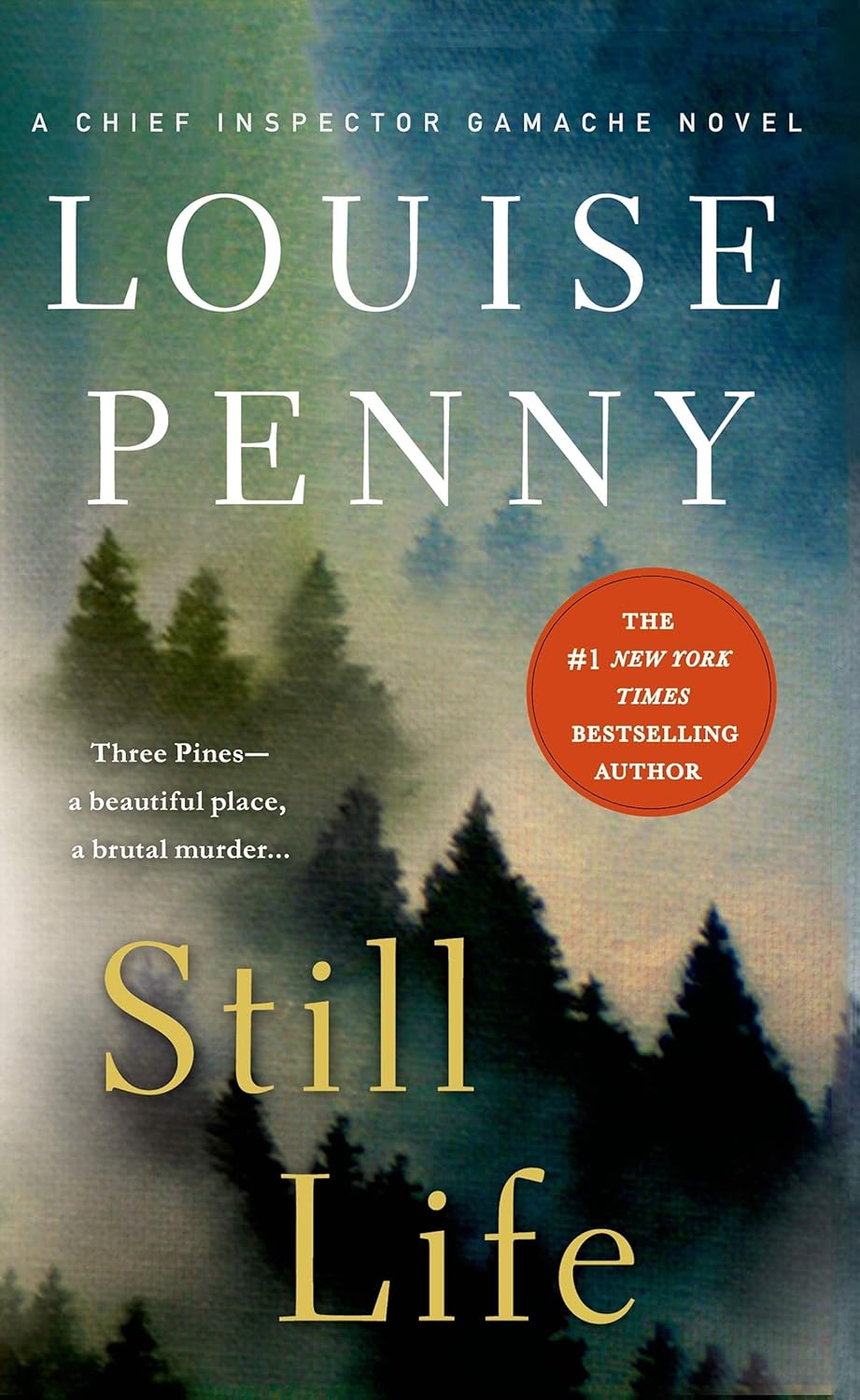
While Gamache leads the way, this is a team series that has strong found family vibes, both among the investigative team he heads in the Sûreté du Québec, but also in the small Quebecois town of Three Pines. In Book 1, Still Life, Gamache and his team head to Three Pines to investigate a murder. While there, they get to know the inhabitants of the small town. As the series progresses, we see more of the way the town is a safe haven for the quirky residents. The Three Pines people help support Gamache through difficulties both professional and personal. While Gamache has biological family that he loves, the extra support of team members like Beauvoir and Lacoste, as well as townsfolk including Myrna and Ruth, make all the difference when times are tough. Read-alikes: This series has a cozy setting in Three Pines, but the crimes and plots are usually anything but cozy. But if you want a small town series that IS cozy and full of found family, a interesting departure might be the Shady Hollow series by Juneau Black, which features animals as characters (think Redwall). There are lots of other interesting police teams in fiction, including the Slough House misfits in Mick Herron’s series who are a super-dysfunctional family. Start with Slow Horses and be glad Jackson Lamb isn’t in your family.
A spaceship crew, alone among the stars, seem like they would naturally form into a family of sorts. I always loved the deep friendships of the crews of the various Star Trek ships, but it is the misfits fighting the good fight in Firefly that really formed my idea of SF found family. In books, one of my favorite crews is that of Wayfarer. Becky Chambers assembled a wildly varied crew for her wormhole-drilling spaceship. In this, the first novel of a loose series, we meet the crew through the eyes of a new member. The ship is supposed to be a new start for Rosemary, but she gets more adventure than she bargained for. If you want something feel-good where the diverse characters are supportive and kind, this is the book for you. Read-alikes: There are so many great starship crews in SF, but I really love the crew of the Rocinante in the Expanse books by James S.A. Corey, beginning with Leviathan’s Wake. While the series has many other stories to tell, with complicated political world-building among solar system factions, the Rocinante’s crew is at the heart of the books. If you are willing to take a sidestep into steampunk, I’ve got an airship crew for you in the Kitty Jay books by Chris Wooding starting with Retribution Falls.
The SecUnit who self-identifies as Murderbot isn’t looking for family. At all. Humans baffle the SecUnit, as it is decidedly not human (it’s a construct of human tissue and mechanical parts, and it’s not too happy about the human tissue bits sometimes). But nevertheless Murderbot DOES form a family of sorts, including with the humans of the PreservationAux team they contract with in book one, All Systems Red. Dr. Mensah and her team are the first humans to treat Murderbot as something other than disposable equipment and while they resist forming bonds with them, it happens just the same. Even while trying to decide what it really wants to do with the free will it gained from corporate control, Murderbot also forms a sibling-like bond with the AI he dubs ART (asshole research transport). Hilarious, violent, cranky Murderbot – you deserve a family like ART and PreservationAux. Read-alikes: For another highly sarcastic protagonist that is (no longer) human, the Bobiverse books by Dennis Taylor starting with We Are Legion (We are Bob). For more loners who find family they are not looking for, the Witcher books by Andrzej Sapkowski or Well’s fantasy series about the Raksura.
Witches in England have a mandate to not congregate and stay under the radar, but when Mika Moon gets a message asking for her help training some young witches, she lets her own loneliness tempt her to try and help. She travels to a remote country house and meets not only the three young witches, but a motley crew of caretakers. I loved the gentle pace and cozy feel of this fantasy, which has a touch of romance between Mika and handsome librarian Jamie. The whole house pulls together when there is a threat to the children and shows how you don’t need to be related to want to protect the family you’ve built. Read-alikes: Cozy Fantasy has been having a moment in the last few years, so hopping into another standout of the genre like The Spellshop by Sarah Beth Durst is a natural. It also has a lonely protagonist longing for connection and community. TJ Klune’s The House in the Cerulean Sea also features a lonely protagonist who must care for some uniquely magical orphans, one of whom happens to be the antichrist. That doesn’t sound cozy, but I swear it is.
Former soldier Viv is an orc looking for a quiet retirement where she can open a coffeeshop. She doesn’t really know how to go about it, especially as no one in town has even heard of coffee. Luckily, she gets help in many forms from the locals, most especially succubus Tandri and a whiz of a baker (even if he is a rat) called Thimble. While this is a cozy read, that doesn’t mean it’s boring! It’s not easy for an axe-wielding orc to completely settle down, but finding and protecting the place where Viv finally feels like she belongs is the highest of low stakes. Read-alikes: Certainly continue with Baldree’s other books in the series! But for another small business-owner in a fantasy world building community, try You Can’t Spell Treason without Tea from Rebecca Thorne. Even more sapphic romance and found family can be found in The Keeper of Magical Things by Julie Leong.
The heroes of this series of romances (which starts with Kade) all met when they were youths in a group home. Bonded together by that experience and the difficulties of their upbringings, the boys grew to be the tightest of families. They start a business that is so successful that the men are wealthy enough to have anything they want, but that doesn’t change the way they depend upon one another. Having only each other so many years, things change throughout the series as one by one they find women to love, but that doesn’t stop them being constantly in each other’s business. Each book is a pretty slow burn romance, and the series has a ton of humor and some occasional light action. I’m always surprised that more people haven’t read this series, as it’s one of my favorites. Unlike some interconnected series, each book has a lovely core couple, but we still get lots of time with the larger family shenanigans. Read-alikes: Two romantic suspense series featuring men who become chosen brothers are the Men of Haven series by Rhenna Morgan and Cherise Sinclair’s Sons of the Survivalist. I think the guys in Lyssa Kay Adam’s series that starts with The Bromance Book Club also form a great family of choice. They may bond over their love life troubles, but the ties and support continue through the series.
I have read a ton of protector romance-type books in the romantic suspense genre that have strong found family vibes due to the tight relationships between a band of brothers who face danger together. If that’s your jam, you can’t go wrong with the books of authors like Susan Stoker, Riley Edwards, Anna Hackett, Brittnet Sahin, or Jemma Westbrook. We meet the Linear Tactical team in book one, Cyclone, which is set in small-town Wyoming. Like a lot of these series, the bonds are formed between team members, in this case of a private security company made up mostly of former special forces soldiers. The reason these kinds of books work for me is that I like how the team members (usually all men, but sometimes mixed-gender teams) depend on each other to save their lives in dangerous situations, but also lean on each other for support in their personal lives. Not only do the teammates remain important to each other, but as they get coupled up, the women they love sort of form their own sisterhood. No one understands what loving a dangerous man is like better than someone in the same boat, so to speak. An off-the-books law enforcement team that has strong found family vibes is the Deep Ops romantic suspense series by Rebecca Zanetti. For a historical take on a group of characters who bond over their wartime trauma, try Mary Balogh’s Survivor’s Club series, one of the gems of the Regency romance subgenre.
From a band of brothers to (chosen) brothers who are with the band! Rock star romances are not exactly rare in romance, and lots of the series follow the formula found in the VIP series, where each book follows the story of a member of the band finding love. The band members are often closer than family due to the amount of time they spent together as they come up in the music business. They meet as teens, and grow up like brothers. Not to spoil the series, but there is also a traumatic experience in the VIP series that makes them especially protective of each other. My favorite book in the series is actually Managed, about the band’s manager Scottie, and its such a wonderful realization as the book goes on that even though he is not in the band and feels apart, the guys all consider him family. Read-alikes: For rock star romances with a found family vibe, the Stage Dive series by Kylie Scott is a sure bet. For the messy family dynamics of a rock band from general fiction stacks, Daisy Jones and the Six by Taylor Reid Jenkins is a great read.
The women of Reid’s Knitting in the City series don’t seem to have that much in common. When we meet them, they are an established group of friends with a common interest in knitting. But as we learn from the heroine of the first book, Neanderthal Seeks Human, Janie doesn’t even knit. The group’s weekly gatherings are not really about their (mostly) shared hobby – it’s about the friendship and support they give each other. I like the tight bonds of the women in this series. Even as each book focuses on one of the women finding love, the group is still integrally important to the series. They don’t fade away into the background as their own romance is closed and another begins. As she showed in her Winston Brothers series, Reid is great at these kinds of series that show how the family (or found family) is just as important to the characters as their new relationships. Other super supportive friend groups in romance include the neighbors in the Billionaires of Manhattan series by Annika Martin, as well as the LGBT community among the neighbors in Casey McQuiston’s One Last Stop. Oh, and for more LGBT goodness, the guys who share a house in Saxon James’s Accidental Love series are supportive but in each other’s business in a hilarious way.
Romance readers (and romance publishers) love series. There is nothing more satisfying than finding a book you love and realizing that the author has written more books set in the same fictional world. It’s easy to see the appeal on both sides of the reader/writer divide. Writers can invest time in building up their world of places and characters once, and reuse that work for multiple books. Readers likewise can enjoy a trip back to a fictional world they enjoyed, but with a new romance arc every book. The best part of series reading in the romance genre, in my mind, is that you get that fresh story each time, but you also get to see glimpses of the characters from previous books. It somehow makes my feelings about a book’s happy ending even more satisfying if, later in the series, we see our past book lovers still happily in love.
What ties a series together can be plot driven or setting driven, but a popular series structure in romance is the family setting where the series features a different family member (usually siblings) in each subsequent series entry. I personally love a sibling series, as there is something about the shared experience of growing up in the same family that creates unique bonds. That’s not to say that sibling bonds are all sunshine and butterflies. Sibling rivalries and estrangements can make excellent material for fiction, as can the sharing of family drama. But whether the siblings are best friends or reluctant survivors of the same childhood trauma, romance abounds with sibling series. While there is a seemingly endless supply of historical romance families, you can find the sibling romance in every romance subgenre. And because you have a fair number of books in most series, the authors often have fun exploring a different trope for each sibling.
As we head into the holiday season, the focus is often on families, so I thought I would share some of my favorite sibling romance series.
Winston Brothers by Penny Reid
Oh, those Winston brothers! About a tight-knit family who grew up in the mountains of Tennessee, the Winston Brothers series can actually be said to begin with the sole Winston sister, Ashley. Her story, Beauty and the Mustache, is part of Reid’s Knitting in the City series, which I’ll talk about in a future found family post. The core of the series focuses on the six Winston brothers who are, for the most part, charming hillbillies. The Winston series falls squarely in the camp of family series where the siblings are bonded by trauma. During Ashley’s book, we learn of their mother’s death, but that’s just scratching the surface of their dysfunction. The Winston patriarch, Darrell, is a true villain. He and the motorcycle gang he is involved with pops up as plot conflict throughout the series and his callousness and cruelty are the model the Winston brothers hold up as everything they don’t want to be as men and partners. Despite this shared sibling pain, the Winston brothers series is actually consistently hilarious, especially every time middle brother Cletus is on the page.
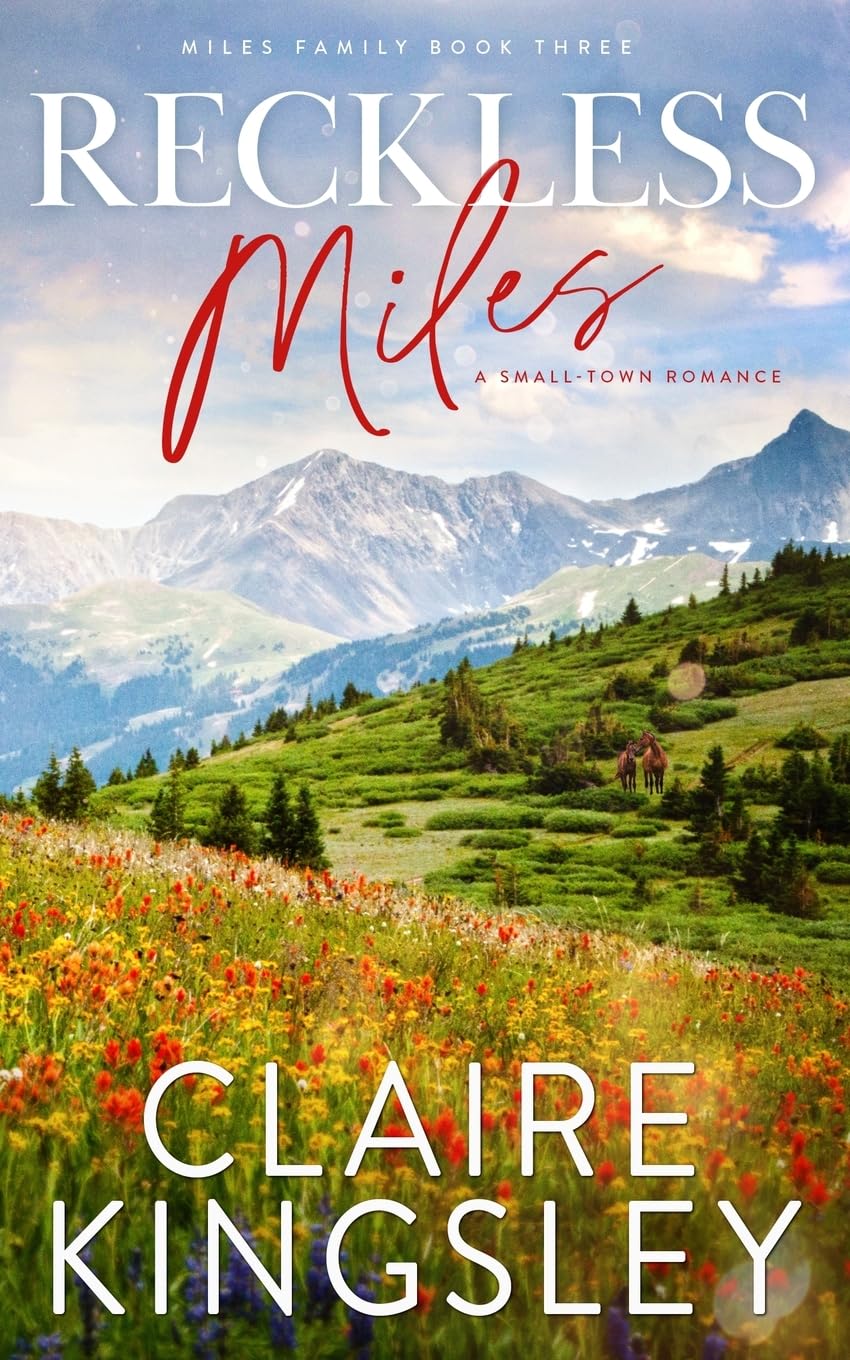
Claire Kingsley might actually be addicted to sibling series. In addition to the Miles family, she has the Bailey Brothers and Haven Brothers series, both set in the small town of Tilikum, Washington. I have enjoyed them all, but started with the Miles family and their beautiful vineyard in rural Washington. This series continues the theme I seem to find in family series: terrible fathers. The Miles patriarch is a cheater and an embezzler and while he is off the page for most of the series, his actions certainly have affected all the siblings and their mother. I especially love that this series starts with a divorced couple. I’m not usually a huge fan of second chance romances, but this set up was really effective to me. Eldest son and workaholic Roland Miles is actually not living near the rest of his family at the beginning of book 1, Broken Miles, but his ex-wife, Zoe is still embedded in the Miles family and working at their winery. When a financial crisis draws Roland home, he and Zoe have to confront some unresolved feelings. It’s hard to pick a favorite among the Miles family but all I can say is wait until you meet Cooper Miles. He is – and I say this with love – an absolute lunatic.

The sibling romance category is heavy in brothers, but one of my favorite sibling groups is the Savoie sisters of New Orleans. For some reason paranormal romance is less likely to have sibling series, maybe because found family bonds like packs are more prevalent. In this series about a family of witches, each of the sisters has a different magical gift and they find love with other supernaturals, including werewolves, vampires, and grim reapers. The parents in this series are pretty much absent, but not the source of any drama. Really, it’s just a charming setting with loving sisterly bonds and sexy heroes galore. I highly recommend them all for cozy fall evenings, but any time of year is a good time for a witchy romance. There’s even a holiday themed short story collection called Walking in a Witchy Wonderland.
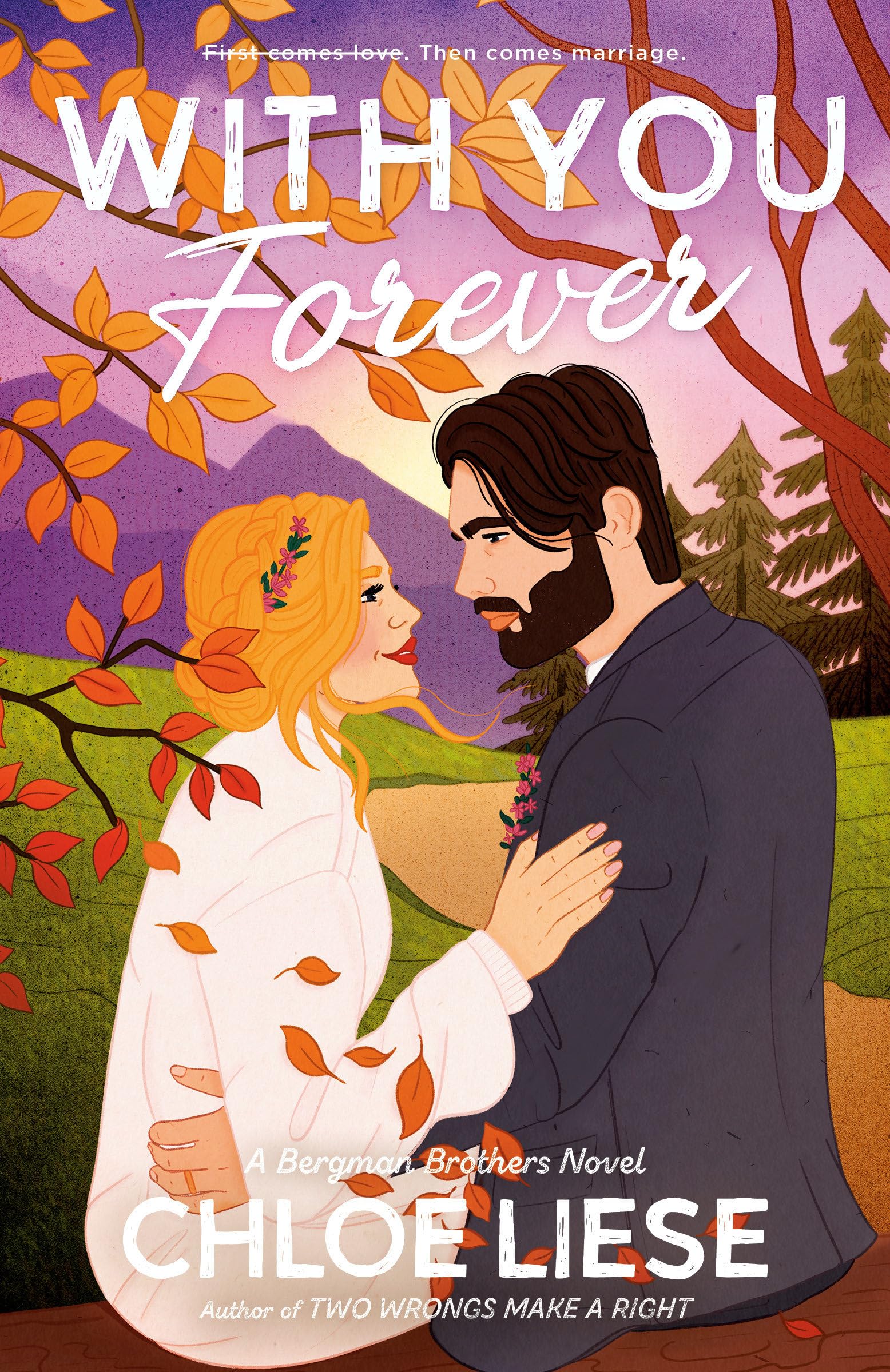
The Bergmans are a large Swedish-American family, many of whom face challenges of neurodivergence or disability. Bucking the trend in these sibling series of small town living, most of the series is set in Los Angeles, with a few set in the Pacific Northwest. Author Liese skillfully builds her series with the perfect amount of family time, showing how the siblings rely on each other and help each other while not intruding on the core romance. While the brothers and sisters may not always agree all the time, they are on the whole super sweet and supportive of their siblings as they look for love.
The majority of the action in the Walsh family series centers on the Boston architecture firm run by the siblings. I personally love a series with a strong sense of place, and I have such a vivid mental picture of the Walsh Architecture offices and the historical restoration work their firm does. This is another series where shared pain creates a bond between siblings, as the Walsh brothers and sisters grew up with a truly horrible father. Dealing with him mostly drew the siblings tightly together as survivors, but the scars of that upbringing also create some conflict between the siblings, especially the two sisters. It sounds super heavy, and while it has its angsty moments it is also a lot of fun and has great banter.
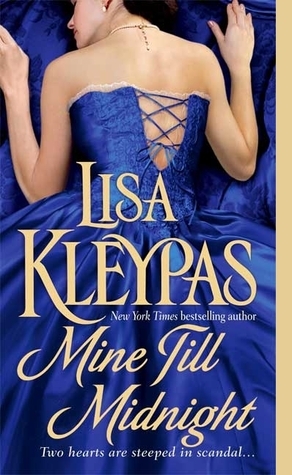
There are some really great family series from Kleypas, especially the Ravenels (St. Vincent – swoon!) and her excellent contemporary Travis series, but I have a soft spot for the Hathaways. The series is set in the mid-1800s (so a little past the Regency era so popular in historical romance) and features a family suddenly elevated to the peerage. Their outsider status lets them be a little less conventional than your usual stuffy nobles and there is lovely teasing and banter between the siblings. We actually meet the hero of book 1, Cam, in the practically perfect Devil in Winter (part of her Wallflower series), but you don’t need to have read that one (although you should!) before diving in.
Who could talk about romance book families without giving a nod to the Bridgertons? Due to the TV adaptation, this series that started 25 years ago (!) got a new lease on life. The Bridgerton family are aristocrats in Regency England. The family is led by eldest sibling Anthony, who took over the family after the death of his father (off page, but referenced most heavily in Anthony’s book). While the loss of their beloved father deeply affected the family, this is a series with less dysfunction than most. In general I would also say that this is a series where each volume is pretty self-contained, although there are cameos and appearances of other family members, especially the awesome mother Violet.
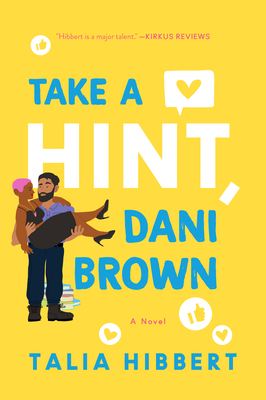
After so many huge families, it’s nice to focus on a more manageable trilogy. The Brown Sisters series are contemporary romances with Black heroines set in the UK. I loved all the sisters and how the books focused on the struggles of both the hero and heroine to believe they are worthy of love. There’s also excellent disability, chronic illness, body diversity, and neurodiversity representation, not to mention seriously swoony heroes who are such a wonderful antidote to toxic alpha masculinity.
This series is set in Quincy, Montana, the kind of small town where everyone knows everyone else’s business. Because the Eden siblings are local royalty to some, each of the siblings have the push-pull of living up to the expectations and rebelling against the assumptions of people who think they know you because of who your family is. I liked the diversity of stories, and the fact that about half the books have a great mystery element alongside the love story. There is a prequel that gives you a taste of Quincy and a snapshot of some of the siblings called Christmas in Quincy. It’s not necessary to the series, but a cute bodyguard story if you’re in a holiday mood.
It was seriously hard to narrow down my favorite sibling series, so here are some bonus picks of sibling in romance that I love:
Contemporary Romance
The Harris Brothers by Amy Daws. I love this series set in the British football (soccer to us Yanks) world. I started with Challenge and then ran through the whole series (in duet audio!) as well as the spin-offs.
Bootleg Spring by Lucy Score and Claire Kingsley. A mystery is threaded through the six books of this series, which follows the Bodine siblings. My favorite is actually the only one that does NOT star a Bodine, June’s book Bourbon Bliss.
Cake Series by J. Bengtsson. Cake is a rock star romance with hero Jake McKallister that kicks off a series that continues with Jake’s siblings. The family is shaped by not only Jake’s fame, but a terrible crime that happened in his childhood.
The Westmorelands by Brenda Jackson. Jackson has well over 40 books about the Westmorelands and most of them were published in the old Silhouette category lines (which means they are short and trope-y). She is one of the all-time greats and this series has a high population of hot Black cowboys.
The Rajes by Sonali Dev. The successful Indian-American Raje family series is another favorite. Each book echoes one of Jane Austen’s works without being a slavish pastiche. My favorite was Recipe for Persuasion.
Rome, Kentucky by Sarah Adams. Sweet, low-steam, small-town romance series that proves that you don’t always need a ton of spice to have a swoony romance. I’m looking forward to book 4, as I always love a chef romance.
The Brodie Brothers by Kayley Loring. Why don’t more people talk about Kayley Loring? She is so damn funny. I own most of her books on audio as she has perfect casting, usually full duet. Listen for the hilarious group chats alone.
La Vie en Rose by Laura Florand. Some books transport you, and Florand’s romances set in France are great examples. I love this series set in the flower fields and perfume industry of Provence with the Rosier siblings. I’m super bummed this author seems to have stopped writing.
Romantic Suspense
Callaghan Brothers by Abbie Zanders. The first 7 books of the series focus on the tight-knit siblings of the Callaghan family. The men are all ex-military and super protective. Bingeable!
KGI by Maya Banks. The family-run private security business known as KGI has the Kelly family at its center. Book one, The Darkest Hour, was my fave, with a gripping story of a man who thought his wife was dead, only to be told she is still alive.
Norcross Security by Anna Hackett. Cheating a bit, as only half the books feature one of the Norcross siblings, but I love this series. You know how in a series there is always one book you can’t WAIT for? That was Vander’s The Powerbroker for me.
McIntyre Security Bodyguards by April Wilson. Several of the series entries focus on central couple Shane and Beth, but we also get books about Shane’s siblings. This series is suuuuper bingeable.
Historical Romance
Bedwyn Saga by Mary Balogh. I still remember the anticipation of reading this classic Regency series and how I loved all the Bedwyn siblings but was dying for Wulfric’s book, Slightly Dangerous. Balogh is one of the GOATs of historical romance, and also features siblings in her Westcotts series
MacKenzies by Jennifer Ashley. This Victorian series starts off with The Madness of Lord Ian Mackenzie and when you run out of Mackenzkies there is an interconnected series about the McBrides. Mostly set in Scotland.
Turners by Courtney Milan. The main three books are about the three Turner brothers in Regency England, there’s a novella with a character who (I think?) loosely connected to the family. Milan always brings great emotional depth to her historicals.
Paranormal Romance and SF Romance
Green Creek by TJ Klune. I had this early series from Klune (House in the Cerulean Sea) on my TBR forever and recently dove into these M/M paranormal romances about the Bennett family of shifters. Wolfsong just about wrecked me, in the best way.
Honey Badger Chronicles by Shelly Laurenston. Laurenston’s shifter books are a certain kind of over the top and even for her the half-sisters that are heroines of the initial trio of books in this series are extra zany. And violent. I haven’t kept up past book 3, but I assume the mayhem and hilarity continue.
Corsair Brothers by Ruby Dixon. Lots of locked down readers discovered Ruby Dixon a few years ago and tore through her Ice Planet Barbarians series. But I prefer my SF romance in space so my favorite of her books are actually the Corsair books. Same big blue aliens, but space pirates!
The Consortium Rebellion by Jessie Mihalik. The three sisters in this series are from a politically influential family in an interstellar empire, but they all react to their family pressures is wildly different ways. I love Mihalik’s SF romance as she never skimps on the worldbuilding but still delivers the emotion.
Happy Halloween! This is the perfect time of year to read a book that gives you a taste of the scary goodness that the horror genre has in spades. But what if you always thought you didn’t like horror? Sometimes an easier entry point is a blend of horror and another genre. Here are a handful of recent horror blends to put you in a spooky mood.
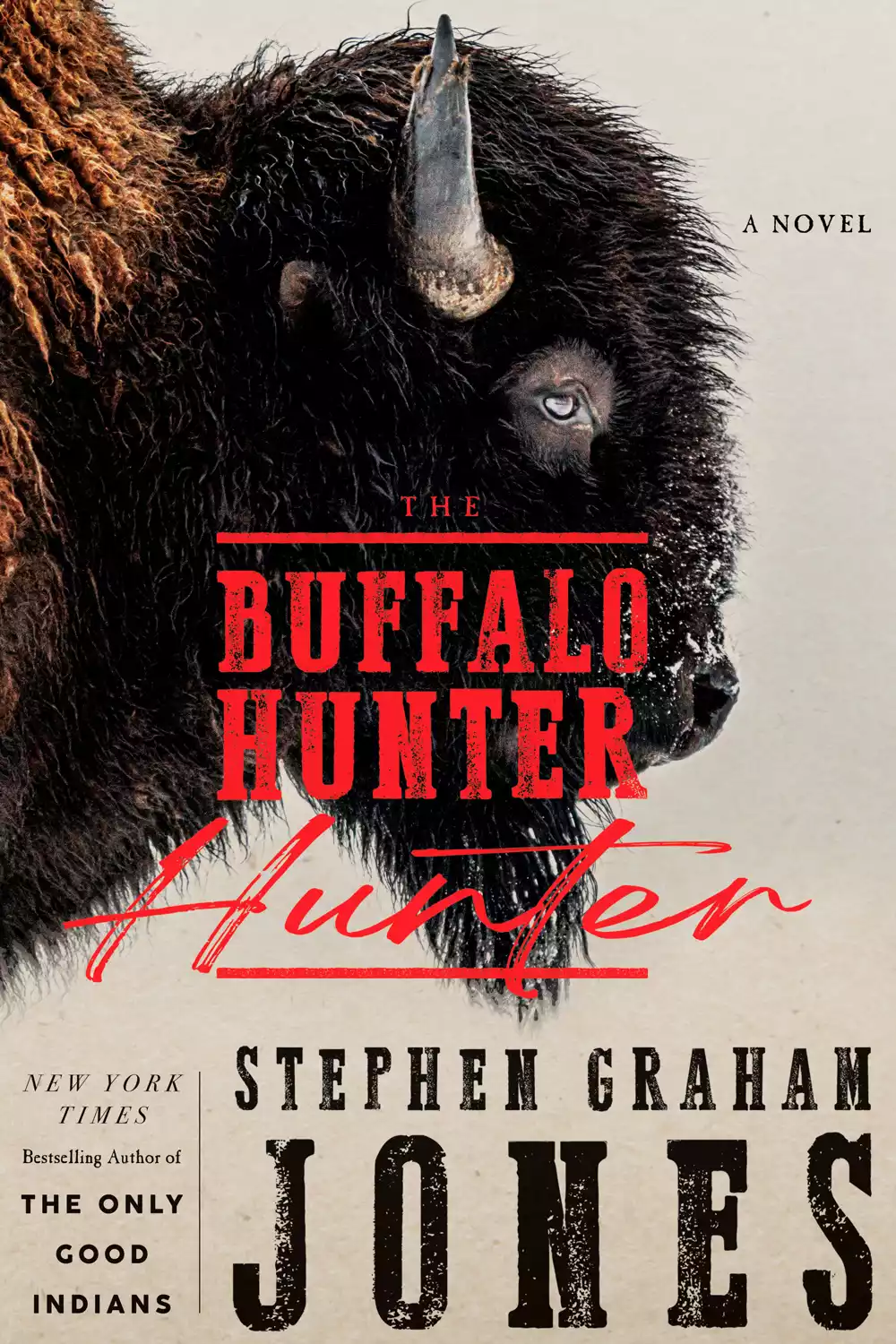
This novel of a Blackfeet man seeking revenge in early 20th century Montana has won accolades and starred reviews from all over the publishing world for good reason. While still housing the blood-soaked heart of a horror novel, it also examines the deeper horror of injustices against native peoples and violence against the land itself. Oh, and vampires.
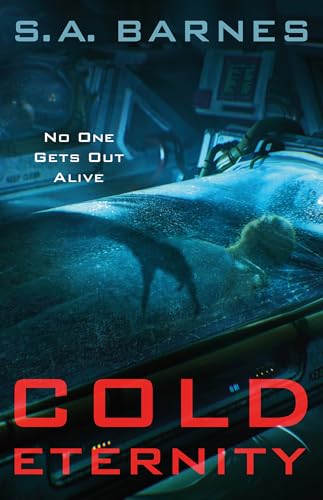
Running from a political scandal, a woman decides a job on a barge storing the cryogenic bodies of the wealthy elite is the perfect hideout. But there is something or someone else hiding among the frozen almost-dead. Barnes excels at space-based horror and this one has plenty of twists along with its scares.
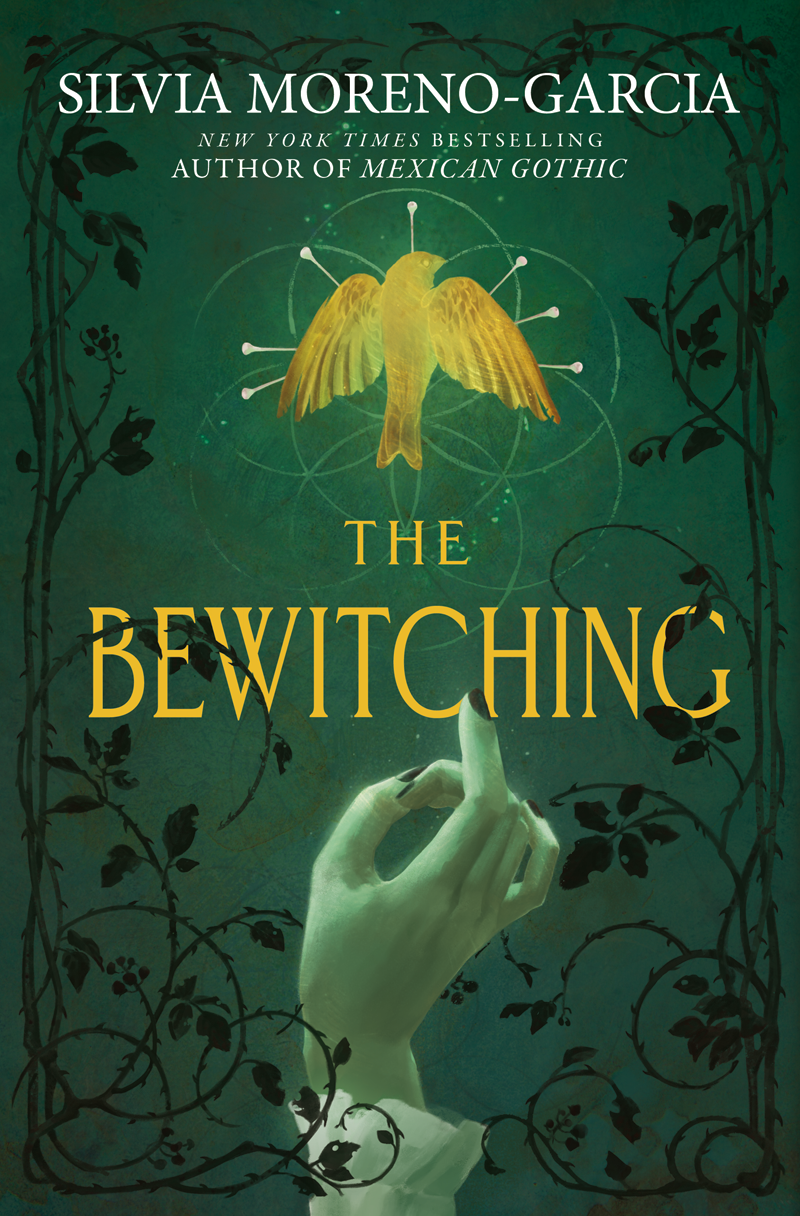
A grad student in horror literature has focused her studies on Beatrice Tremblay, an obscure writer who attended her university. It seems Tremblay based her most famous novel on her time at the school, and on her strange roommate. Another critical and popular hit from the always reliable Moreno-Garcia.
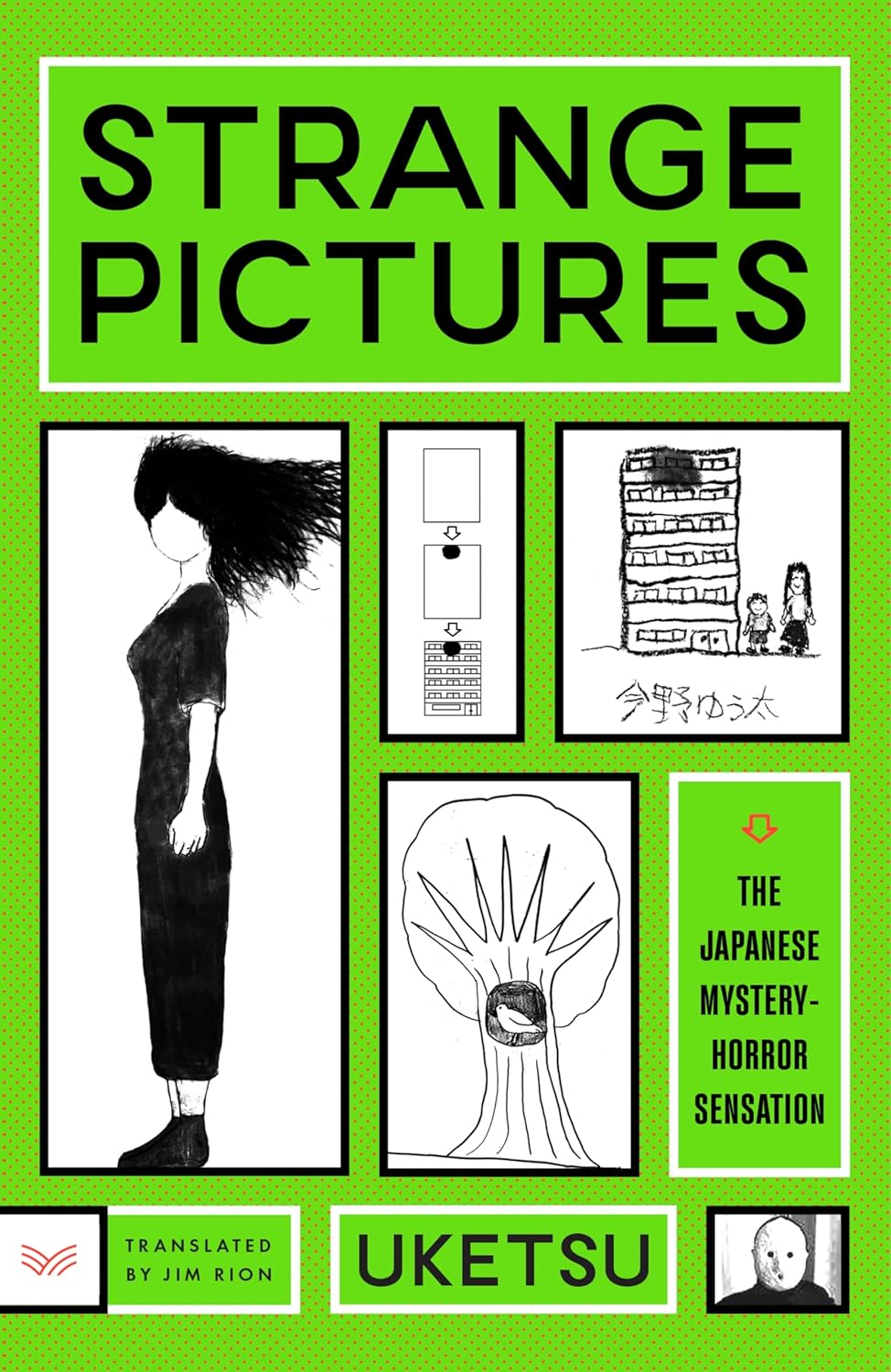
A collection of drawings seem innocent, but contain clues to mysteries old and new. More eerie than flat-out scary, the author presents the pictures in short vignettes that have the reader puzzle not only the meaning of each set, but how they all might be connected.
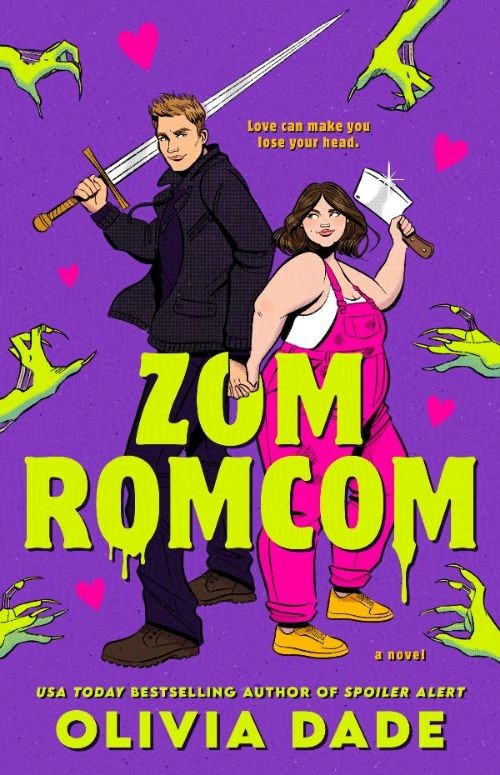
This is classed as a paranormal romance, and that’s fair: in horror the characters are fighting the monsters and in paranormal romance, the characters are usually having sexy times with the monsters. But Dade combines the two as her sunshine heroine teams up with a grumpy vampire to fight off a zombie infestation.
Have you visited the Blender lately? Although I haven’t been adding new content to the blog in many moons, I have been adding new titles to the blender now and again. Recently I finally made a big push to update the blender, adding over 90 titles. These titles range across all genres, and include older titles and titles published since my last big update about a year ago. I have also been making a push to include more diversity in selections included in the blender. This was no hardship, as there are fantastic books by authors of color and from the LGBT community that tell stories that skillfully blend genres. I’ve also added some additional YA blends, although the focus of the blender remains adult titles. And one other things I’ve tried to do is cast my net beyond the big five publishers, showcasing some small presses and indie author. There’s a lot farther I could go with promoting diverse books, and I know it. But I’ll keep trying.
Now that the Blender database is getting close to 1000 titles, I also hope to add some Top Ten lists to the results (and this space) so that folks don’t get overwhelmed when they get close to 100 titles for the more popular blends.
So I hope you keep blending away and enjoy some of the new content. Here are just a favorites and notable books from the most recent update:
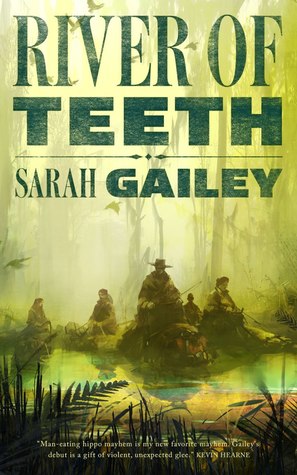
Did you know that at the turn of the last century, the US government considered importing hippos as a source of food? True fact. And this whackadoodle but true fact is the germ that grew into an alternative history novella set around 1890 where ranchers raise hippos like cattle, while riding the more intelligent breeds like horses. Quite a visual! Winslow Houndstooth is putting together a crew for a job that involves hippo wrangling and revenge. The story combines alternate history, magic, non-binary romance, and–my favorite–a caper plot. This was a lot of fun, and those wanting to read it and the sequel novella can get them both in the single volume (with some additional stories) titled American Hippo.
One of the pleasures of reading contemporary or urban fantasy, as opposed to epic fantasy, is the fact that it is set in our own world. The intersection of magic and the mundane can be hugely appealing. If a novel is set in an imaginary land, you know to expect magical things on the page. But crack open an urban fantasy set in Chicago or Atlanta and you don’t know what to expect. Wizards? Werewolves? Vampires? Dragons in disguise? Maybe some or all of these, maybe something even more unexpected. There is always a bit of narrative distance when you place a story in a fictional land. While the reader can bond with any well-written character, it take a little more effort to put yourself in the shoes of an epic fantasy character, whether they be pig-farming peasants or high-born nobles. On the other hand, urban fantasy characters inhabit lives and landscapes that resemble our own — they own houses or rent apartments, they eat at restaurants, hold down jobs, and walk city streets.
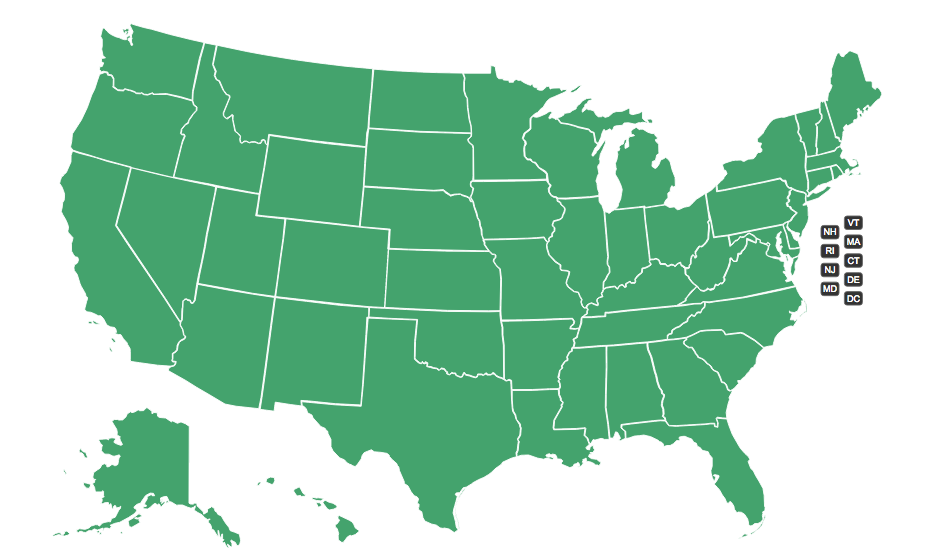
When you are reading any kind of book set in the real world, it is especially fun to read one set in your own hometown. If the author has done his or her job well, you can walk the same streets and see the same sights in books that you see when you walk to work. Maybe the characters eat at your favorite deli or BBQ joint, hang out in the park down the street, or work in an office building you’ve walked past a million times. They talk like you, and drink that weird soda that no one else drinks (what the hell is cheerwine, anyway?). And every time you have that moment of “hey! I know that place!” it can bond you to the story, as long as the author gets it right (I haven’t read all of these, so forgive me if they don’t, in fact, get it right). Readers who live in big cities like Chicago or San Francisco get this treat all the time, but I’ve searched for urban fantasy set in every state. I got close, with only a couple of voids. I didn’t do any international urban fantasies (I’ll do those in a future post), no YA, and I didn’t include any historical fantasies, despite there being quite a few great ones set in cities like Chicago, LA, and SF. I did, however, dip into paranormal romance and supernatural mysteries when I needed something for a state. The image of a map at the top of the post takes you to an interactive map showing my pick for the urban fantasy that best represents each state (or sometimes just my favorite, if there were many to choose from). Because some places like New York has had a lot of books set on its streets, I’ll list some of the other novels set in the state in the full gazetteer below. (more…)
A couple of weeks ago, I was lucky enough to be able to attend BookExpo in Chicago, where I saw the books that publishers are excited about for fall. I came away with a huge list of books for my own TBR pile. It also reminded me that while I did a list of anticipated books in the science fiction and fantasy genres for 2016, I only went through July. Now there are lots of new titles appearing on publishers’ schedules and a ton books I hadn’t even dreamt of when I made my first list for the year, in January. So, I decided I would round up my anticipated SFF reads for the second half of 2016. I’ll try and update this list as new titles are announced. These are things I’m personally looking forward to, but what looks good to you? (more…)
Apologies up front how long it has been since the blender last got an update. I had a hell of a year last year, and had to focus on my work and my health. I hope to be much better going forward about making regular updates to the blender, to make sure that not only do new titles get added but I continue to add older titles that exemplify interesting blends.
Since the last update, I have added over 200 titles, mostly published in 2015 and 2016. Here are some of my favorite titles among those newly added to the database. The bulk of what I tend to add seems to trend toward science fiction and fantasy blends. One reason for this bias is that I read those genres for review, and just come across the blends most often. But I also think some of the most interest blends are happening in the speculative fiction genres. These are genres that just naturally like to take narrative risks. But there are plenty of blends of all genres that are new to the blender. (more…)
Usually when people think of science fiction, it is a rule-based setting. Near future, far future, alternate past – the “what if” of a good science fiction novel usually sticks with what could be, if things develop according to the way society is trending and the rules of science allow. But what then do you do with science fiction that adds in something fantastical? For my purposes you get a Science Fiction/Fantasy blend.
Psychic powers are one of the most common fantasy elements that get added to what can otherwise be straightforward science fiction. There is no scientific basis (at this time!) for psychic powers. No proof that they exist or could exist, or would exist if the conditions were right. But they are irresistible to authors in many genres. Some even bother to walk through scientific example of why the powers manifest. But really, they’re just cool. The great thing about genre blends is that authors feel free to borrow whatever cool bits they like from other genres. It’s a big part of why I like blends. So with no further ado, here are some great examples of SF with psychic powers
Asimov’s classic series is the story of a galactic empire in decline. Hari Sheldon is the inventor of psychohistory, the ability to see the future through the use of history, psychology and statistics. He foresees the end of society and brings together humanity’s greatest thinkers to create a safe hold, a foundation at the edge of the galaxy. But that’s not even the psychic part! There is a character of Mule, whose ability to control others through their emotions makes him a dangerous man, and a threat to Hari’s plans. There’s some other psychic stuff running through the series, but none of this makes it any less of a classic of the science fiction genre. (more…)
As part of a presentation I’m doing for the Biennial National Conference of Librarians Serving Blind and Physically Handicapped Individuals, I have gathered together some of my favorite online RA sources. I thought I would share them here.